This Song Never Became A Hit — But It Created An Entire Movement
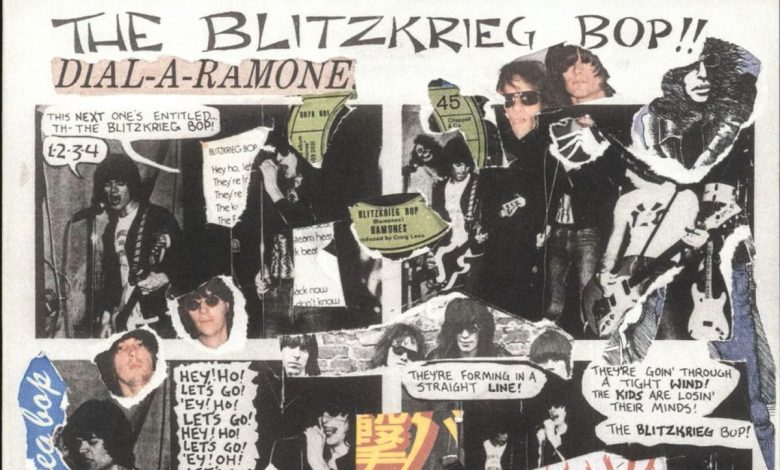
Some songs top the charts and are eventually forgotten. Others barely make a commercial impact but go on to reshape music forever. “Blitzkrieg Bop” by the Ramones belongs firmly in the second category. Clocking in at less than three minutes, the song became the blueprint for punk rock, proving that attitude, energy, and simplicity could be more powerful than technical perfection.
When the Ramones emerged from New York in the mid-1970s, rock music had become increasingly elaborate. Progressive rock bands filled albums with lengthy compositions, guitar virtuosos stretched solos for minutes at a time, and arena acts relied on massive productions. The Ramones wanted none of it. Their philosophy was simple: play fast, play loud, and never waste a second.
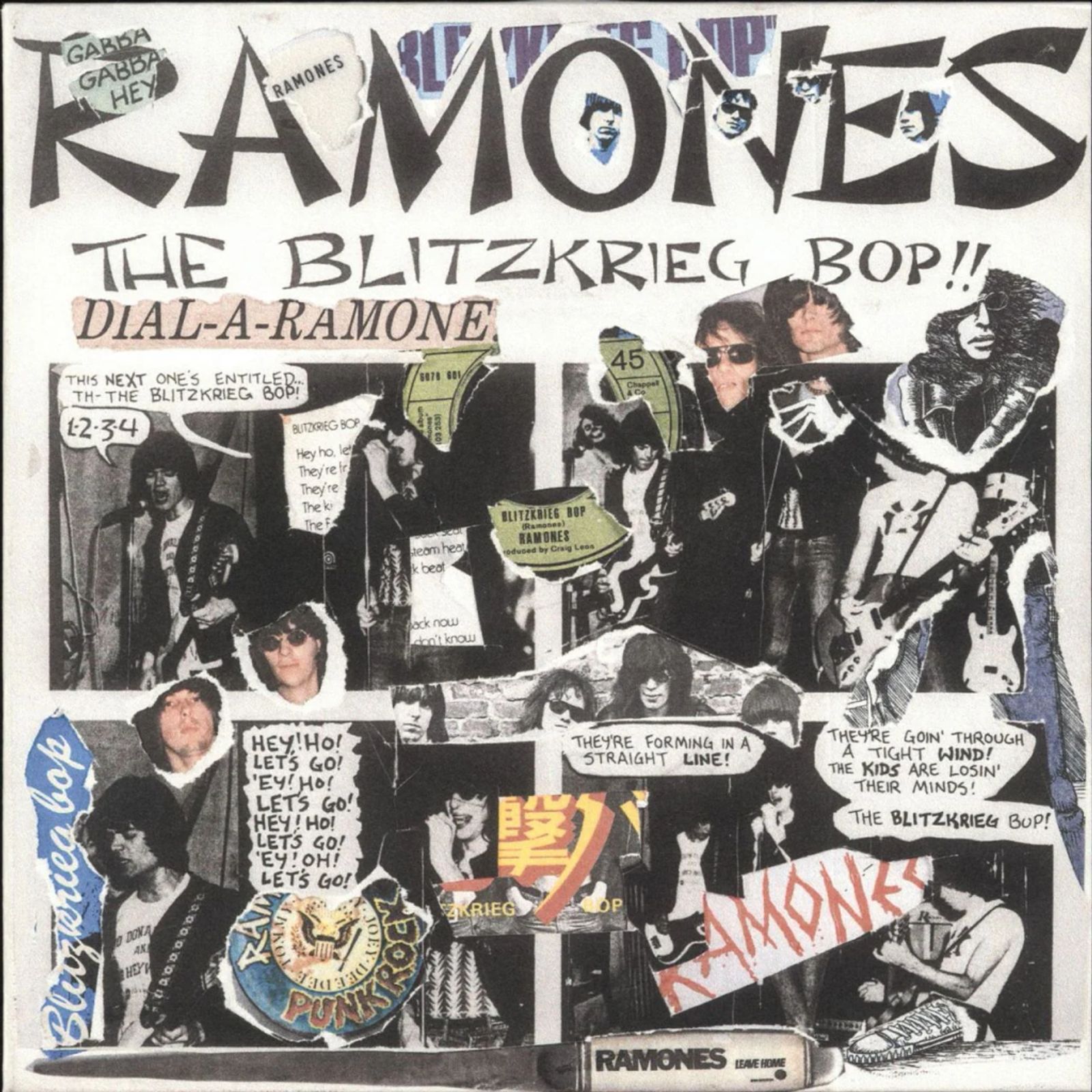
Serving as the opening track on the band’s self-titled debut album, the song immediately announced that this was something entirely different. There were no extended introductions, no complicated arrangements, and no unnecessary flourishes. Instead, listeners were greeted by an explosion of buzzing guitars, pounding drums, and infectious energy that refused to slow down.
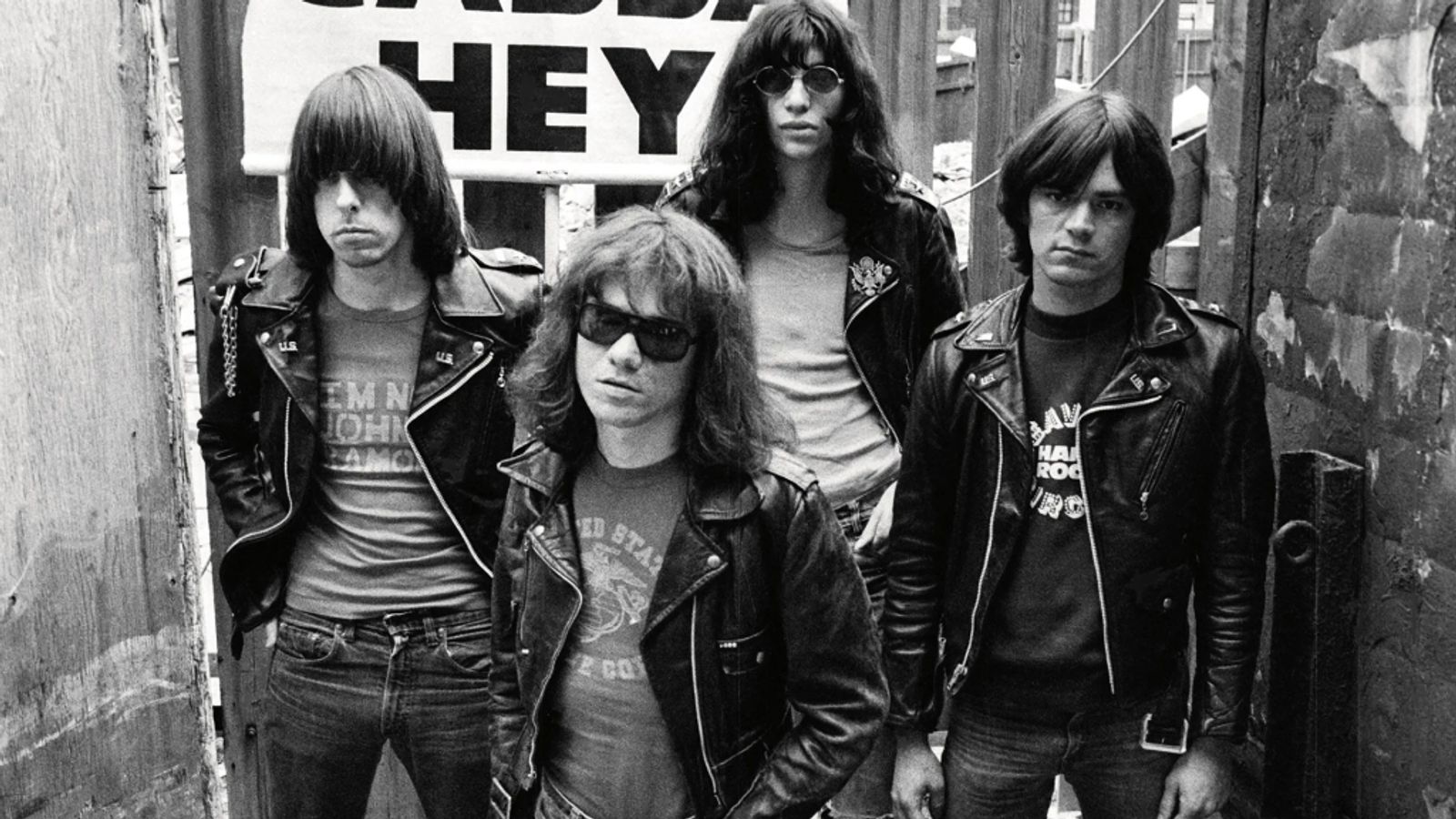
Much of that unmistakable sound came from guitarist Johnny Ramone, whose relentless downstroke playing became one of punk’s defining characteristics. Armed with an inexpensive Mosrite guitar reportedly purchased for around fifty dollars, Johnny created a wall of distorted chords that sounded raw, aggressive, and impossible to ignore.
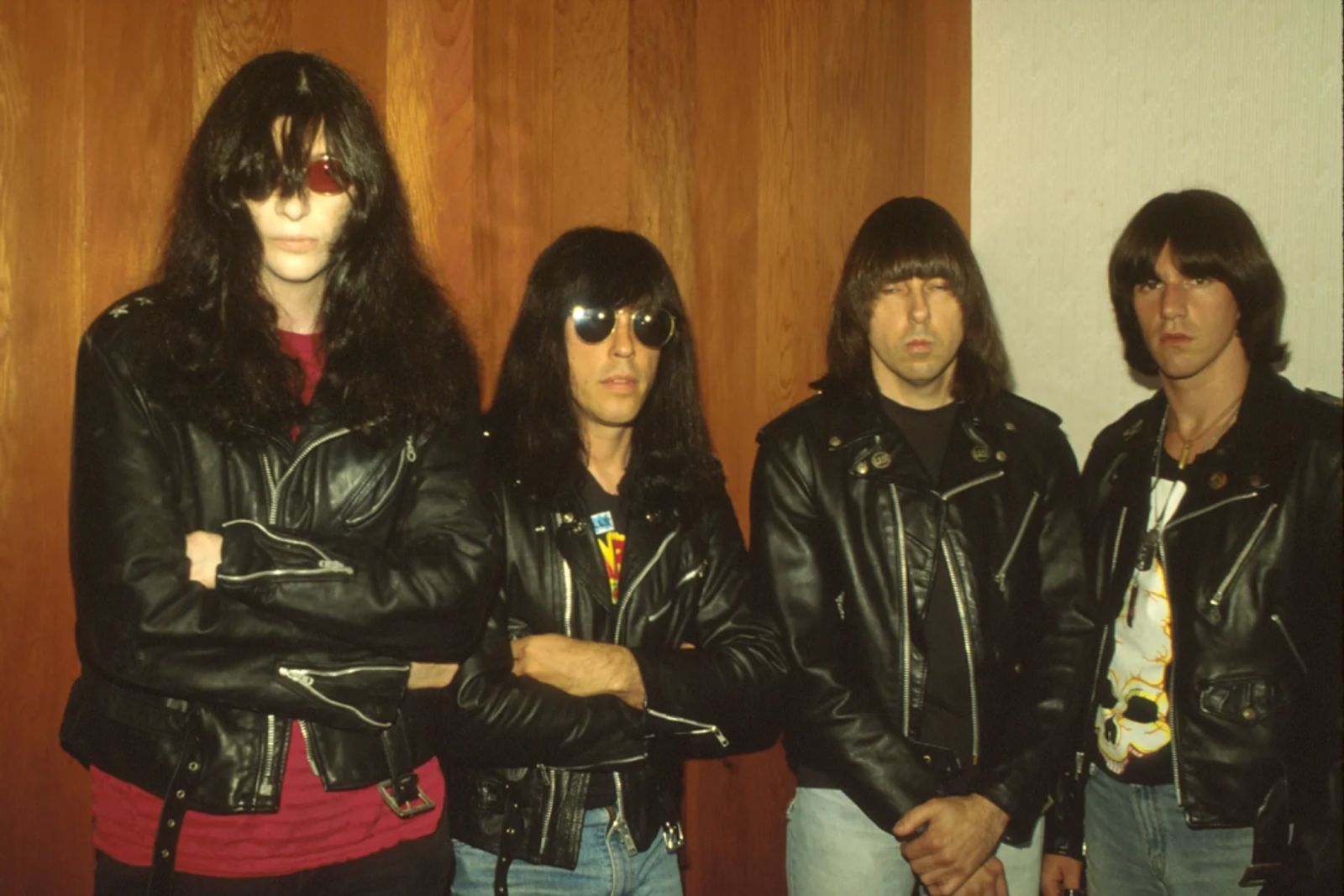
The songwriting reflected the same stripped-down approach. Drummer Tommy Ramone wrote most of the lyrics, while bassist Dee Dee Ramone contributed one of the song’s most memorable lines: “Shoot ’em in the back now.” Rather than aiming for poetic sophistication, the band embraced directness, creating lyrics that matched the music’s relentless momentum.
Then there was Joey Ramone’s unforgettable vocal performance. Singing in a deliberately exaggerated British-style accent despite growing up in New York, Joey delivered every line with a rough, nasal intensity that perfectly complemented the band’s unpolished sound. It wasn’t traditionally beautiful—but that was exactly the point.
The recording itself reflected the Ramones’ no-frills philosophy. Made on a remarkably small budget at New York’s Radio City Music Hall recording facilities, the band worked quickly and efficiently, capturing the urgency that would become their trademark. Every rough edge remained intact, giving the record an authenticity that polished studio productions often lacked.
Commercially, “Blitzkrieg Bop” was hardly an immediate success. The single failed to become a major chart hit, and the Ramones remained far from mainstream stars during their early years. But while the song struggled commercially, its influence spread rapidly through underground clubs, garages, and rehearsal spaces around the world.
Young musicians heard something liberating in its simplicity. “Blitzkrieg Bop” demonstrated that you didn’t need expensive equipment, years of formal training, or elaborate studio productions to start a band. If you had passion, determination, and three chords, you could create something meaningful. That message inspired countless teenagers to pick up instruments and form bands of their own.
In many ways, the song helped launch an entire musical movement. Punk scenes soon flourished in cities across America, Britain, and beyond, influencing generations of artists who valued honesty, energy, and individuality over technical perfection. From punk and hardcore to alternative rock and pop-punk, the Ramones’ fingerprints can still be found across modern music.

Perhaps the song’s most enduring contribution is its unforgettable opening chant: “Hey! Ho! Let’s go!” Decades after its release, those four simple words have taken on a life of their own, echoing through sports stadiums, concert arenas, and public events around the world. Many people recognize the chant even if they’ve never heard the rest of the song.
Today, “Blitzkrieg Bop” stands as one of the defining recordings in rock history—not because it followed the rules of its era, but because it ignored them completely. It proved that great music doesn’t have to be complicated to be revolutionary. Sometimes the most powerful ideas are also the simplest.
In the end, the Ramones didn’t create punk by trying to change music. They simply played the kind of songs they wanted to hear—and millions of others decided to follow.
Read more stories
- Released in 1971, this cheerful pop hit sounded bright and carefree on the surface… But hidden inside the lyrics was a surprisingly sad story most listeners never noticed.
- Shelley Winters: A Voice That Refused to Be Silenced
- Ed Harris’s Journey from Frustration to Acceptance in Dutton Ranch
- The Last Ride: John Wayne’s Moving Farewell in The Shootist