How Pimp C helped turn Southern hip-hop into a movement
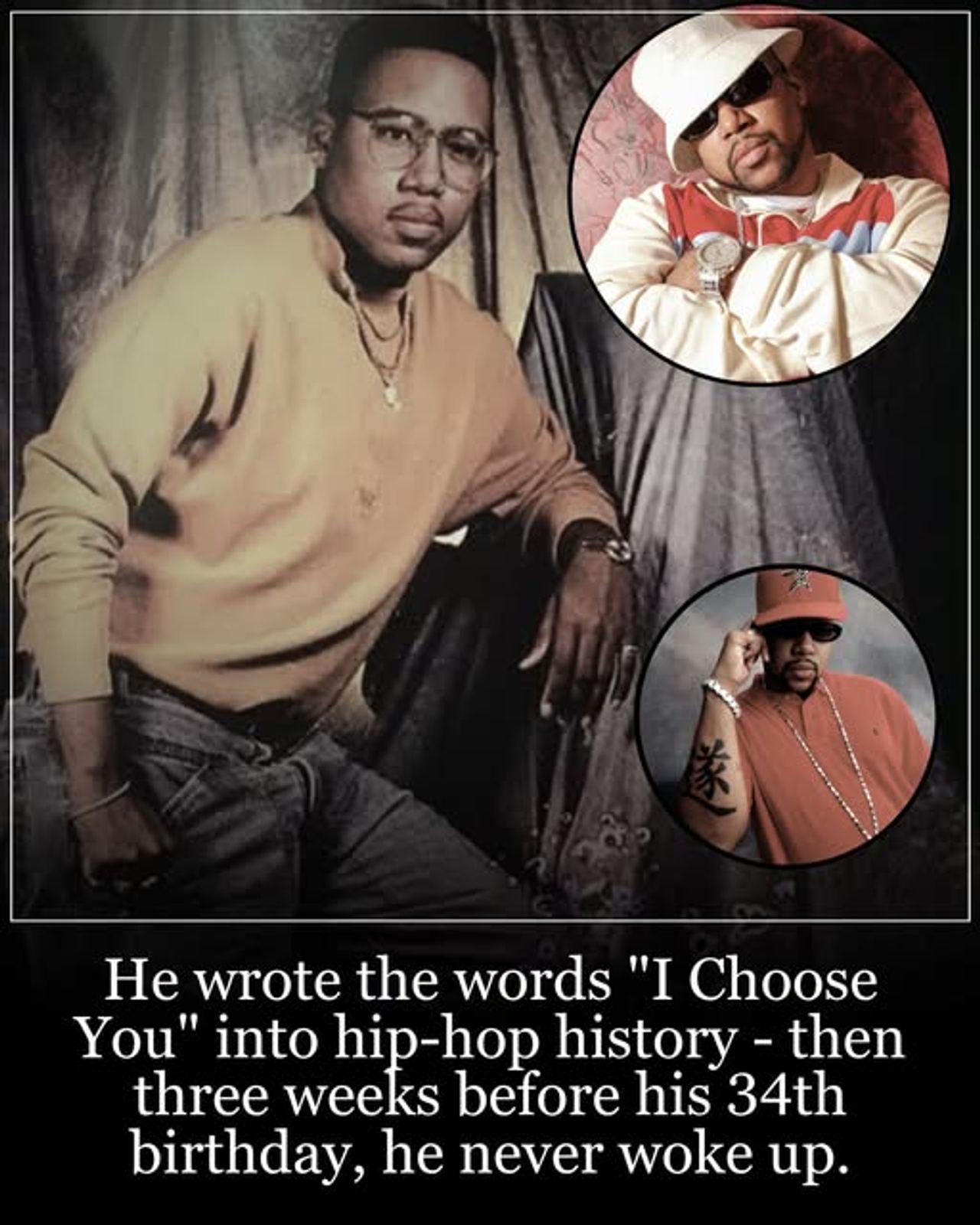
Before the platinum records and the packed arenas, Chad Butler was just a kid in a small Texas town, growing up inside music long before the world knew his name. He sang in his church choir, taught himself instruments by ear, and absorbed the sounds around him with the kind of instinct that can’t be taught. His stepfather played trumpet. At home, soul, blues, and jazz filled the air, laying the foundation for a life that would eventually reshape rap from the South up.
As a teenager, Butler had already been recognized for his voice in a classical choir competition, a detail that feels almost surprising now, though maybe it shouldn’t be. The man the world would come to know as Pimp C was always more musically expansive than the image attached to him later. He was raised on melody as much as rhythm, on discipline as much as feeling, and all of it would surface in the music he made years later.
Then he met Bernard Freeman, another Port Arthur teenager who would become Bun B. Together, they formed a partnership that didn’t just produce songs — it helped build a lane the mainstream music industry had refused to take seriously. At the time, rap’s attention was still trained largely on the coasts, while Southern artists were dismissed as a regional curiosity. Pimp C and Bun B didn’t chase that approval. They leaned harder into home, into the sounds, slang, and spirit that made their music unmistakably theirs.
That choice became their signature. Their sound moved slower, hit heavier, and carried a soulfulness that felt closer to blues than to the slicker styles dominating radio. Pimp C’s voice fit that world perfectly. It could glide with melody one moment, then land with blunt honesty the next. He rarely said what was convenient. He said what felt true, and that truth gave him a reputation for being real, even when it made people uncomfortable.
What he represented went far beyond a hit record. In his music, Southern Black culture claimed space without asking permission. Over time, the industry had no choice but to acknowledge it. Albums like Ridin’ Dirty became touchstones. “Big Pimpin’” pushed their sound to listeners who had never given Southern rap a fair listen. Then in 2007, “Int’l Players Anthem (I Choose You)” arrived with a verse so beloved it still echoes at weddings, a rare rap song that crossed generations and settings with ease.
Even prison during the early 2000s did not dim his presence. He returned with more edge, more clarity, and a stronger sense of self. By late 2007, it seemed as though he had made it through the kind of obstacles that break many artists. Then, on December 4th, his family couldn’t reach him. Hotel staff checked his room in Los Angeles.
What Chad Butler left behind was more than a catalog. Pimp C helped make room for an entire region to be heard on its own terms, in its own voice. And the music still carries that charge: warm, defiant, deeply Southern, and impossible to mistake for anything else.