The election that turned 15,000 voters into 234,000 ballots
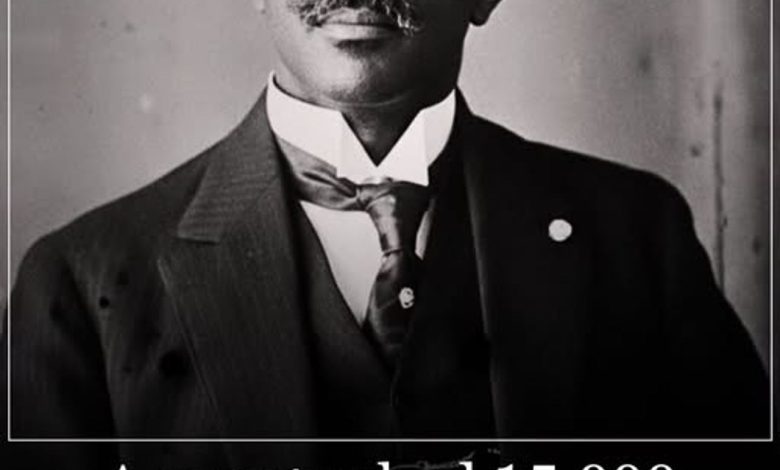
In 1927, Liberia staged a presidential election that would become one of history’s most unbelievable political episodes. On the surface, it looked like a familiar contest: the sitting president, Charles D.B. King of the True Whig Party, seeking a third term, and Thomas Faulkner, a reform-minded former mayor trying to challenge a political order that had held power unopposed since 1878.
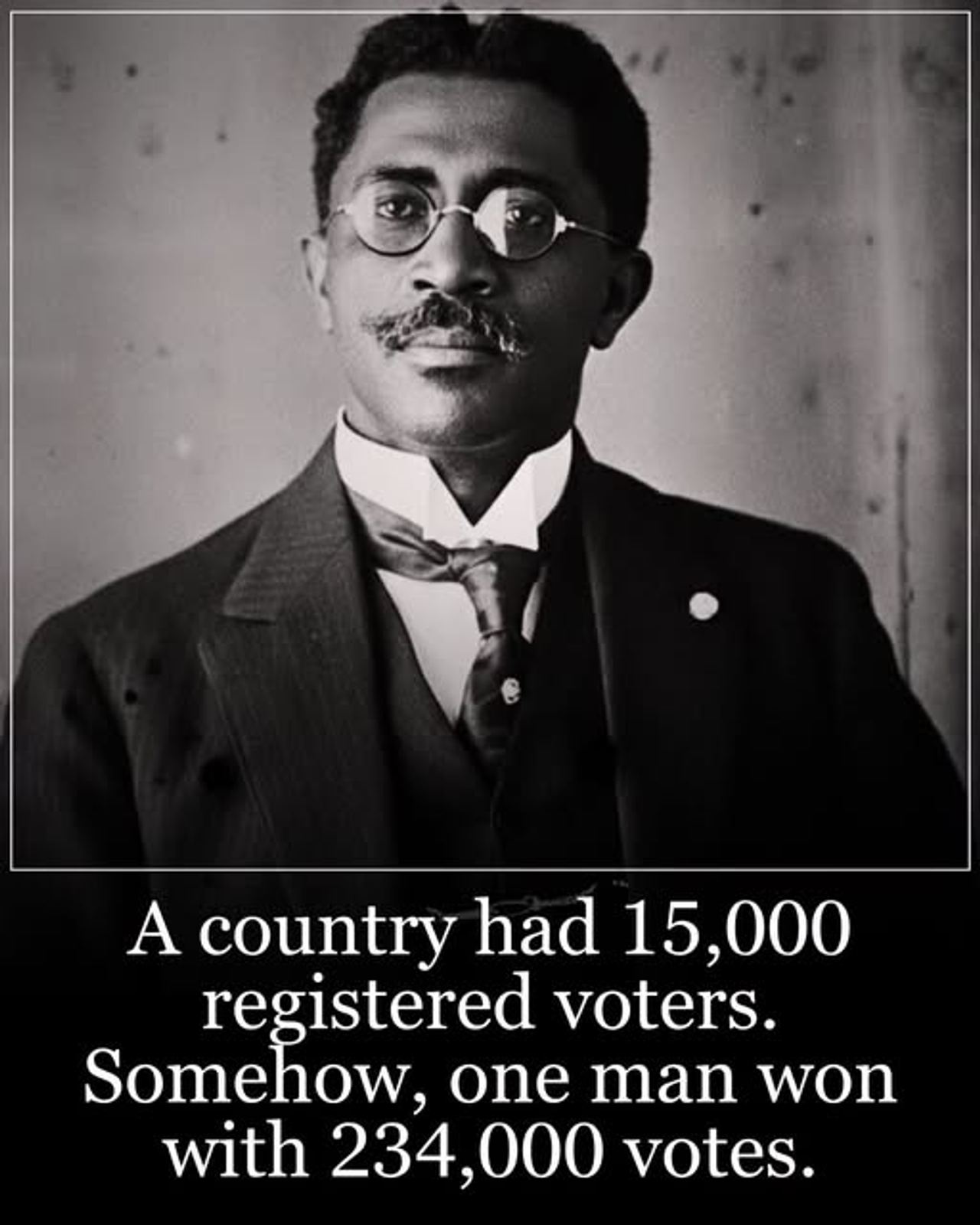
But when the ballots were counted, the story stopped sounding ordinary. Liberia had fewer than 15,000 registered voters across the entire country. Yet Charles King was declared the winner with roughly 234,000 votes. The math was so outrageous it seemed to mock itself, with turnout that would have meant every registered voter casting a ballot more than fifteen times. It was not a simple mistake or a misread tally. It was fraud so brazen that Guinness World Records later recognized it as the most fraudulent election ever recorded.
The scale of the deception reveals something larger than a single corrupt result. For nearly half a century, Liberia had been ruled by one party in such a complete way that elections had become less a test of public will than a ritual of control. The vote was designed to project legitimacy, not to allow genuine choice. It was democracy as performance, a carefully managed display meant to remind people who remained in charge.
For a time, that arrangement held. King kept his seat, and the world continued on. But systems built on denial and manipulation rarely stay hidden forever. In the years that followed, outside investigators began uncovering something even darker beneath the election scandal: evidence that officials in King’s government had been involved in forced labor practices that horrified the international community.
By 1930, the pressure became impossible to contain. The same president who had supposedly won the impossible election was forced to resign in disgrace. What began as a suspicious vote count had exposed a much larger machine of corruption, abuse, and illusion. The election did not simply distort democracy; it revealed how thoroughly power had been insulated from accountability.
More than a century later, the story of Liberia’s 1927 election still carries an unsettling clarity. It is remembered not just as an oddity or a record-breaking scandal, but as a warning about what happens when institutions are left unguarded and truth is treated as optional. Numbers can be manipulated, but not forever.
In the end, the impossible total of 234,000 votes stood as proof that the lie was always too large to last. Somewhere between the country’s real voters and the fabricated results, reality was waiting its turn. And when it arrived, it reminded the world that democracy survives only when people remain willing to watch, question, and care.