The Jungle Chose Mercy for a Fallen American Pilot
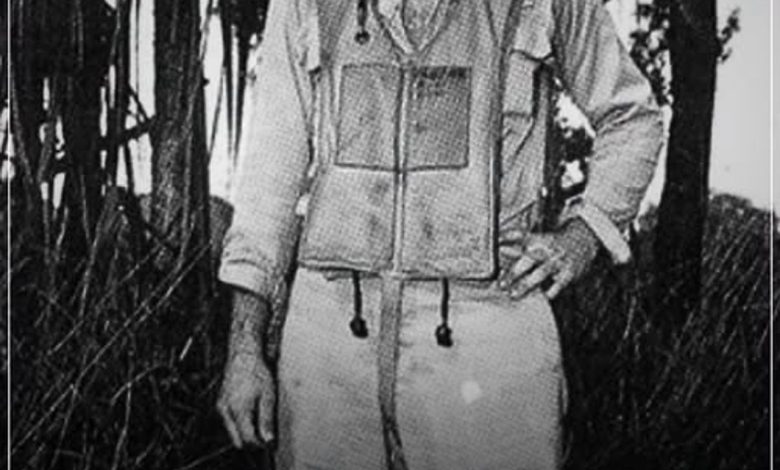
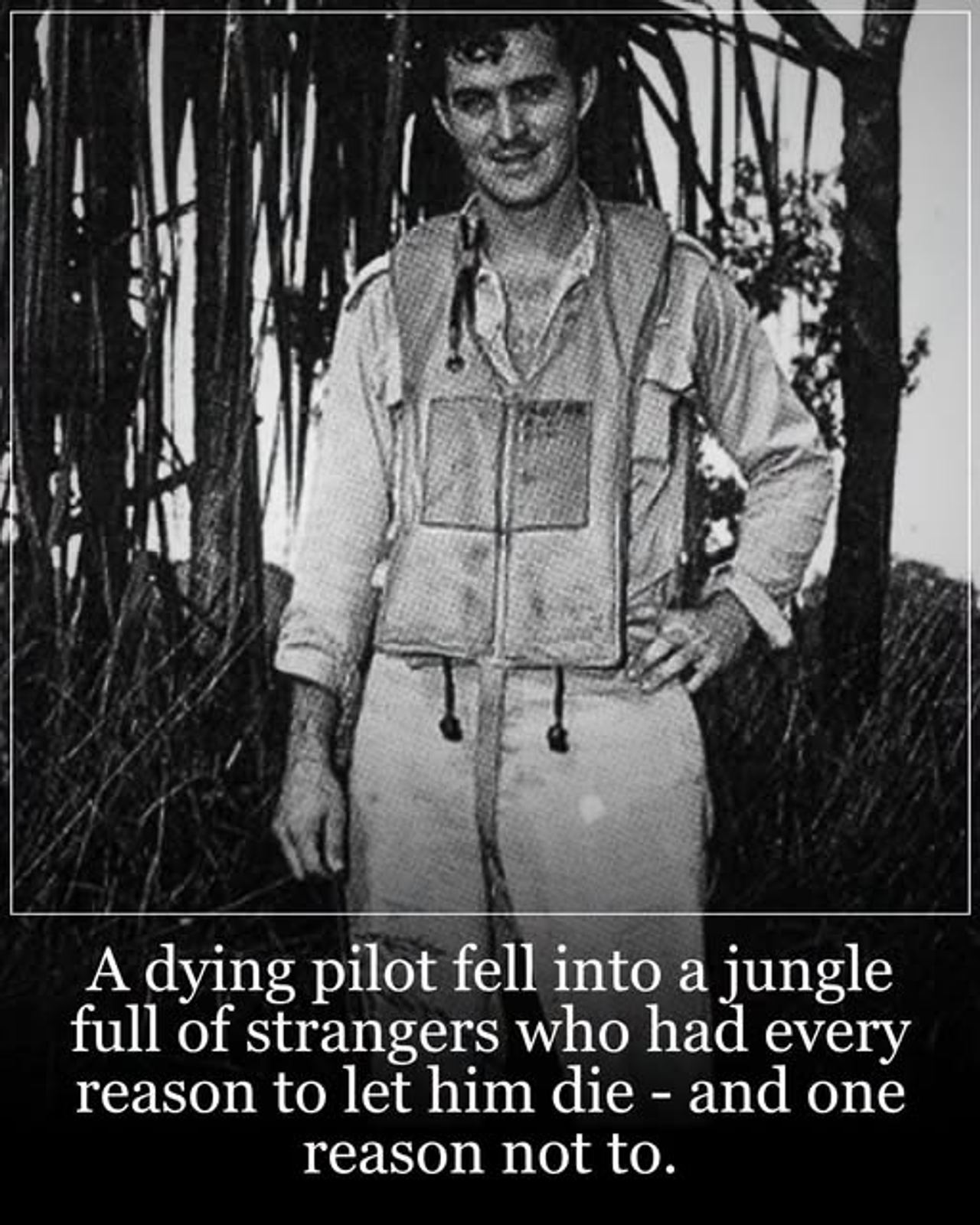
Fred Hargesheimer was 27 when his war turned into a fall. On a photo-reconnaissance mission over New Britain in the Pacific, Japanese gunfire ripped into his engine and sent him plunging into enemy-held jungle with no map, no radio, and no way to know whether anyone on the island would help him live. For a man suddenly alone in the undergrowth, survival narrowed to one hour, then one day, then the next breath.
He wandered for 31 days, moving through thick jungle on whatever he could find, growing weaker as the sounds around him became harder to trust. Every rustle in the trees could have been a predator. Every crack of a branch could have meant discovery by soldiers. By the 32nd day, his body was failing and hope had thinned almost to nothing. He had stopped expecting rescue. He expected only the next danger.
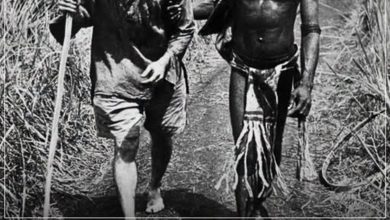
Then he heard voices. What stepped out of the trees was not a patrol, but a group of Nakanai villagers who saw a stranger at the edge of death and chose, in that moment, to make him their responsibility. They knew the price of helping him. Occupying forces were rewarding the capture of airmen and punishing entire villages for hiding them. To shelter him was to risk the lives of everyone they loved. They did it anyway.
They carried him to their coastal village and hid him there. He was too weak to eat solid food, so the village found another way to keep him alive. A young mother named Ida, nursing her own infant, fed him from her own body for more than a week while continuing to feed her newborn as well. It was an act of private sacrifice so intimate and so total that it became, for Fred, impossible to forget. He remembered her name for the rest of his life.
The village built its days around his safety. A conch shell was blown whenever danger approached, and the warning gave him precious moments to disappear before soldiers arrived. Children helped erase any trace he left behind, even trailing him with makeshift brooms to brush away footprints in the sand. It was careful work, repeated over and over, because one mistake could have brought punishment down on every person protecting him.
For seven months, they never made that mistake. They gave him not only food and hiding places, but also a name their children could say: Mastah Preddi. In February 1944, after Australian commandos operating behind enemy lines made contact, Fred was finally able to leave on an American submarine waiting offshore. He departed by canoe on a moonless night, the shoreline full of people who had risked everything for him watching in silence.
It is said some of the mothers tried to hand him their own children, hoping he might take them to safety too. Whether or not that moment stayed exactly as remembered, the meaning of the story remains clear: a dying stranger was saved by people with every reason to turn away. Long after the war, Fred Hargesheimer’s survival stood as a testament to what can happen when ordinary people choose mercy over fear.