One unforgettable chorus… and suddenly an entire generation couldn’t stop singing along. Discover why this ’60s hit still feels so alive today.
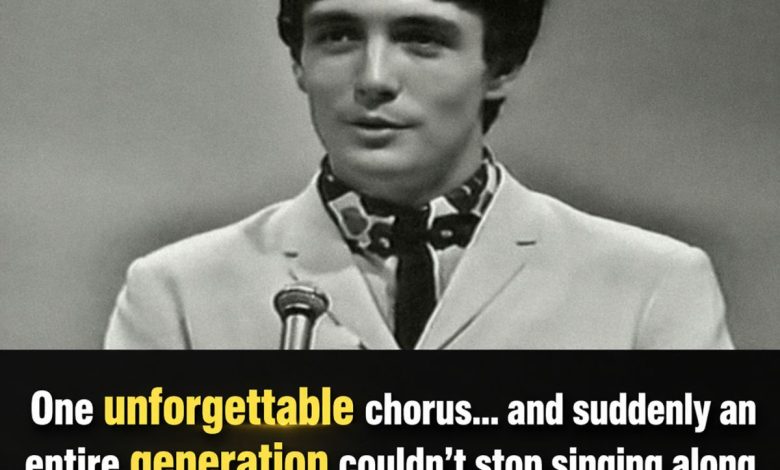
Some songs arrive at exactly the right moment, carrying so much excitement that they instantly become part of an entire generation’s heartbeat.
Glad All Over is one of those unforgettable records, exploding with youthful energy while reminding the world that the British music revolution had more than one remarkable voice.
From its opening drumbeat, the song feels impossible to ignore.
The rhythm charges forward with contagious confidence, inviting listeners to clap, sing, and smile before the first verse has even settled in.
Released in 1963, the single became the breakthrough that transformed The Dave Clark Five from a successful British group into international stars.
Its timing could hardly have been more dramatic.
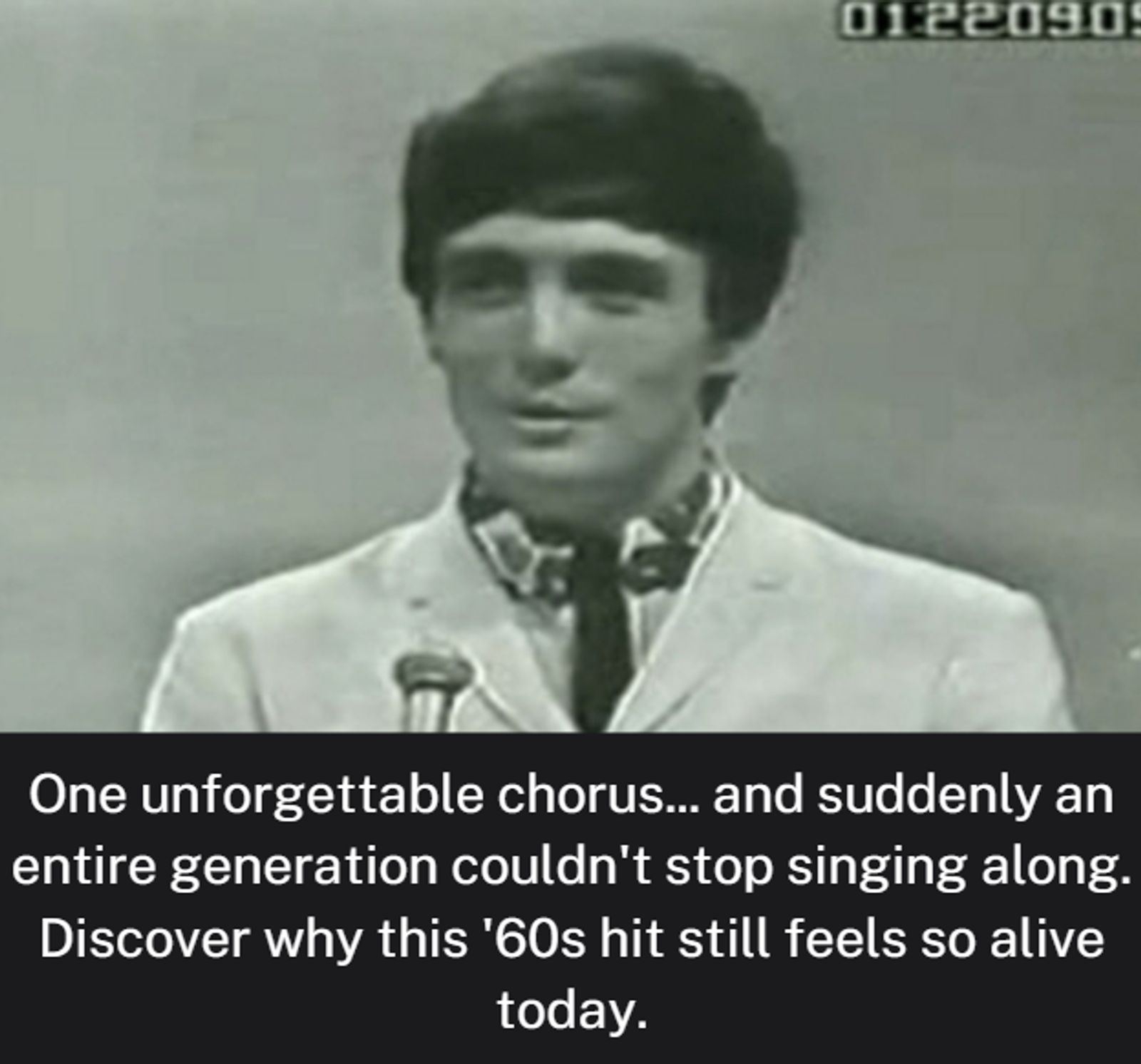
Britain was introducing a new generation of bands whose music would soon reshape popular culture around the globe.
While much attention naturally focused on The Beatles, The Dave Clark Five carved out a sound that belonged entirely to themselves.
Their music felt louder, punchier, and driven by an irresistible sense of momentum.
Glad All Over quickly became the perfect introduction to that distinctive style.
At the heart of the recording stood Dave Clark’s unmistakable drumming.
Unlike many pop songs of the era, the drums weren’t hidden quietly in the background.
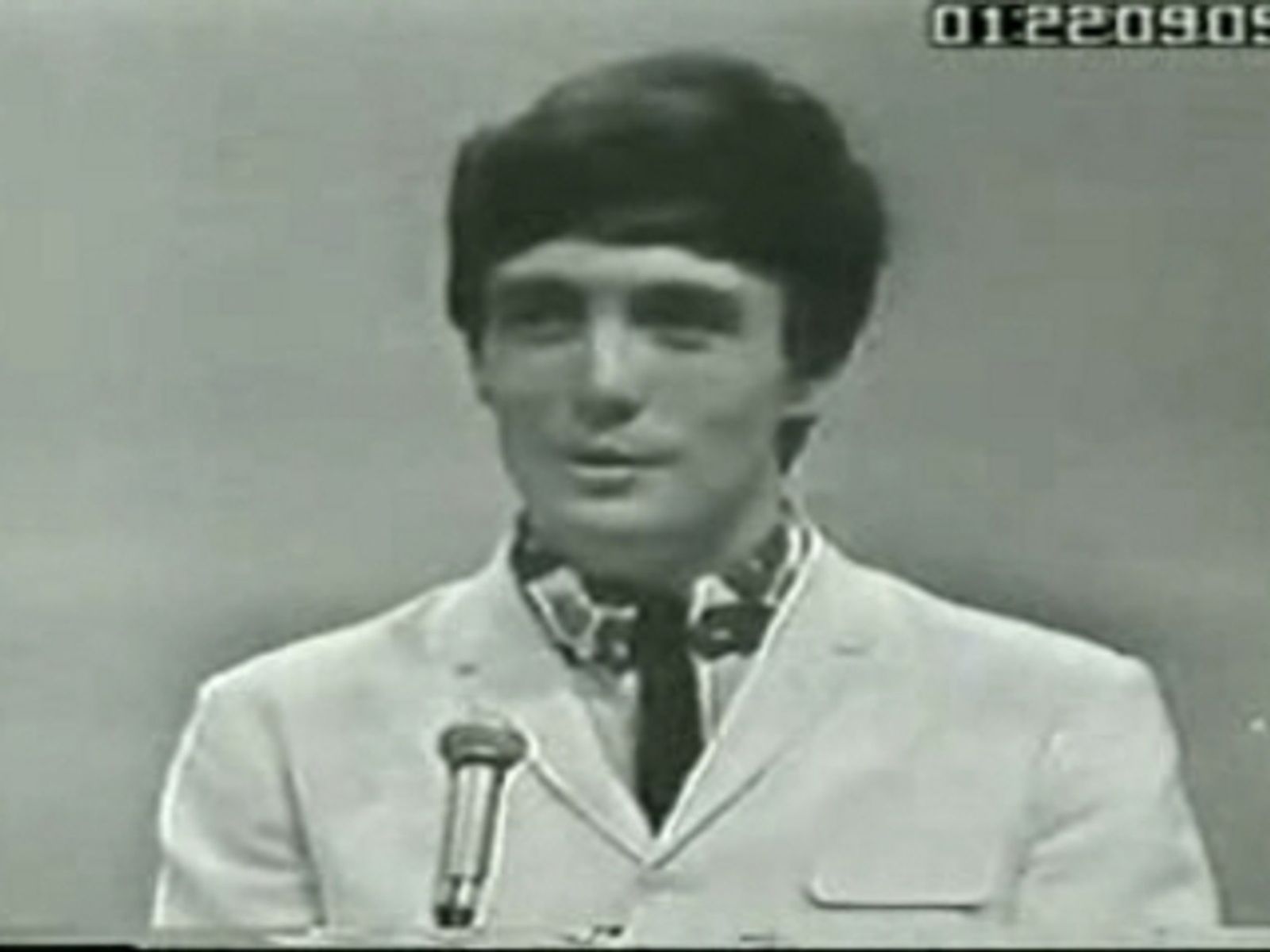
They became one of the song’s defining voices.
Every beat pushed the music forward with remarkable confidence.
That powerful rhythm helped create what fans affectionately called the band’s “Tottenham Sound.”
It was clean, energetic, and wonderfully direct.
Nothing felt overly polished or complicated.
Instead, every instrument served the simple goal of making people feel good.
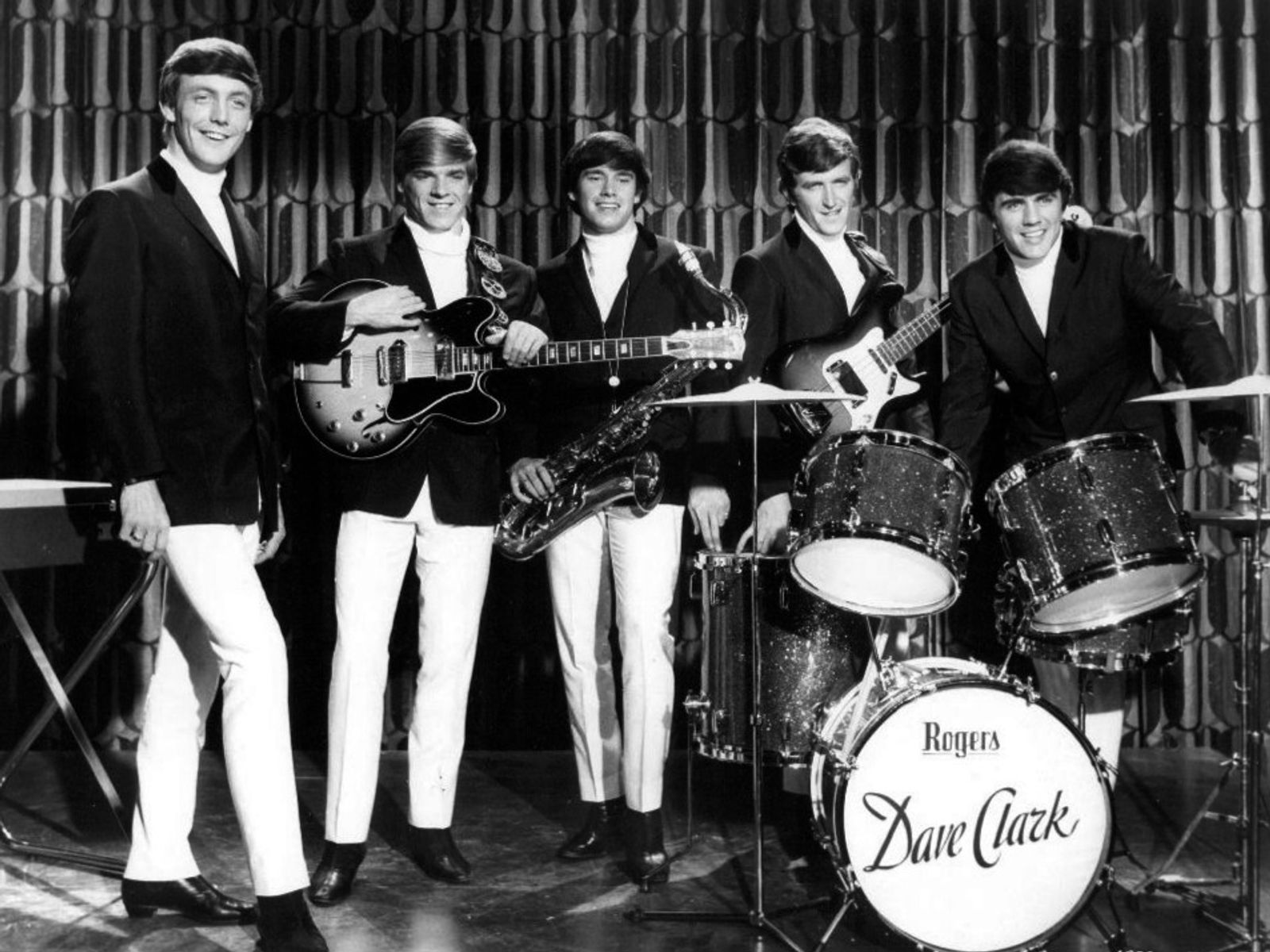
Lead singer Mike Smith delivered the lyrics with joyful enthusiasm.
His voice carried excitement rather than perfection.
That honesty made every chorus feel spontaneous, as though the entire band was celebrating alongside the audience.
Behind him, the group’s harmonies added warmth and excitement.
Together, they created a sound that felt remarkably fresh for its time.
The famous “Glad all over… yes, I’m glad all over” refrain remains instantly recognizable decades later.
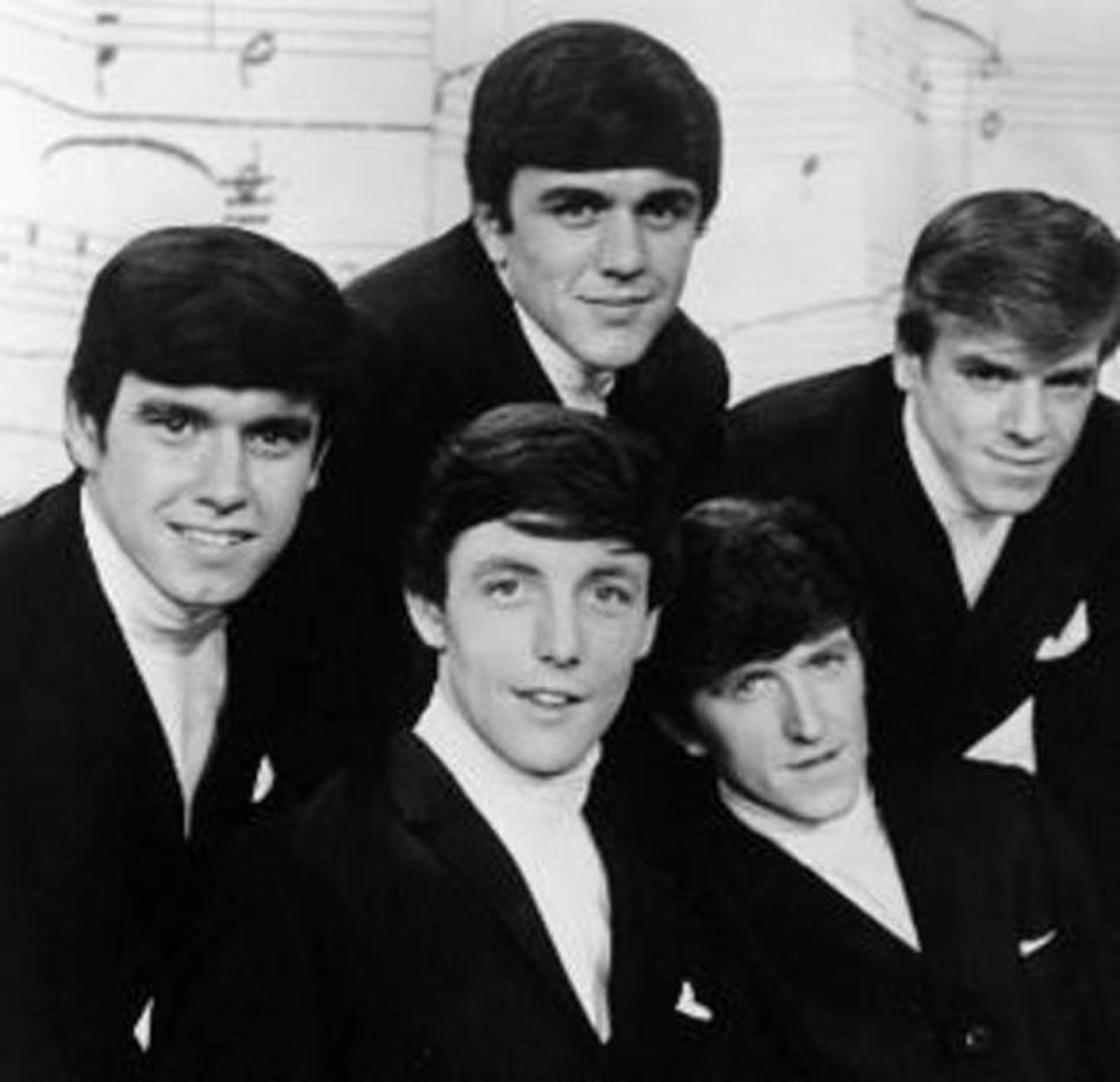
It is one of those choruses that seems almost impossible not to sing along with.
Perhaps that effortless simplicity explains its remarkable staying power.
The lyrics themselves never pretend to be complicated.
They celebrate the pure happiness of being in love.
Sometimes that straightforward optimism becomes exactly what listeners need.
The song understands that joy rarely requires elaborate explanation.

Its emotional honesty shines through every verse.
That sincerity has allowed the recording to remain charming across generations.
Listening today still feels like opening a time capsule filled with optimism.
The early 1960s were filled with hope, curiosity, and youthful ambition.
Glad All Over captures those emotions with remarkable authenticity.
It reminds listeners of a moment when rock music was discovering just how powerful its influence could become.
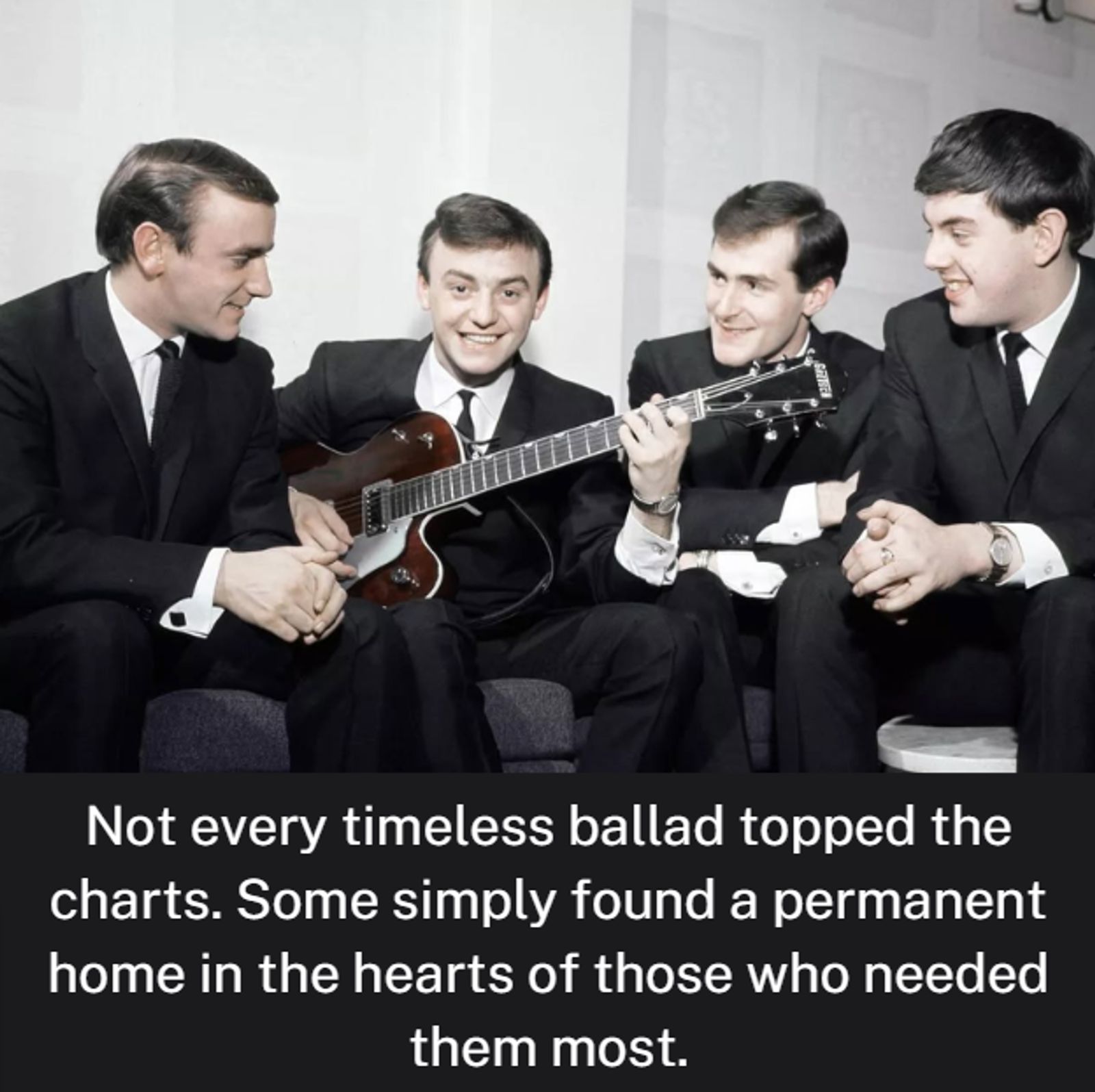
The song also accomplished something historically significant.
It famously replaced The Beatles’ I Want to Hold Your Hand at the top of the UK charts, proving that Britain’s musical explosion was far richer than many people realized.
That achievement remains one of the defining moments of the British Invasion.
The Dave Clark Five continued enjoying enormous success throughout the decade.
Their energetic performances, sharp image, and memorable songs earned devoted fans on both sides of the Atlantic.
Yet Glad All Over always remained the recording most closely identified with their remarkable legacy.

It perfectly captured everything that made the band special.
Its confidence never felt arrogant.
Its excitement never felt forced.
Everything sounded genuine because the musicians clearly believed every joyful note they played.
Perhaps that authenticity explains why the song continues appearing at sporting events, celebrations, and nostalgic playlists around the world.
Its infectious rhythm still has the remarkable ability to unite complete strangers in shared excitement.
Very few songs preserve youthful happiness with such effortless charm.
As musical styles changed through the decades, Glad All Over never lost its welcoming spirit.
It continues reminding listeners that sometimes the greatest records are not the most complicated ones.
Sometimes all it takes is heartfelt musicianship, unforgettable rhythm, and a melody that refuses to let anyone sit still.
As the final chorus fades away, the excitement somehow lingers in the air.
The smiles remain long after the music has ended.
Read more stories
- Released in 1971, this cheerful pop hit sounded bright and carefree on the surface… But hidden inside the lyrics was a surprisingly sad story most listeners never noticed.
- Shelley Winters: A Voice That Refused to Be Silenced
- Ed Harris’s Journey from Frustration to Acceptance in Dutton Ranch
- The Last Ride: John Wayne’s Moving Farewell in The Shootist