A Mexican-American’s Courageous Stand Against Injustice in WWII
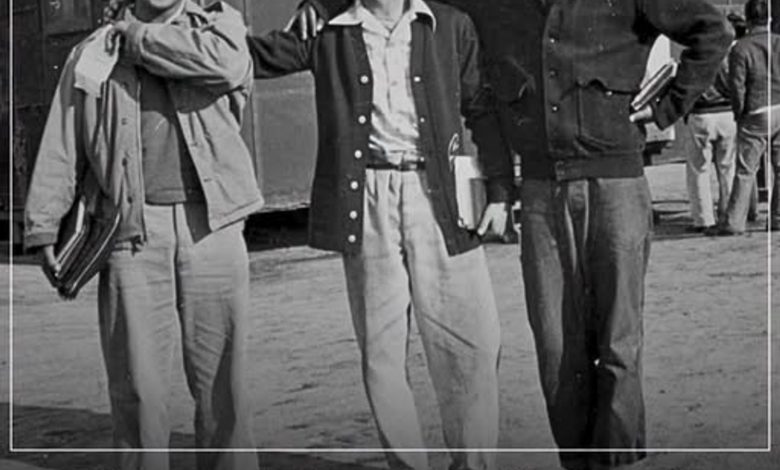
In the spring of 1942, the world was a different place, and so was America. The echoes of Pearl Harbor rang out, stirring up fear and suspicion across the country. As the government made the heart-wrenching decision to relocate over 110,000 Japanese Americans from their homes on the West Coast, a young 17-year-old boy named Ralph Lazo stood on the sidelines, horrified by the unfolding injustice. Raised in a working-class neighborhood in Los Angeles, Ralph was no stranger to diversity; friendship in his world transcended race and background. His closest friends, like many others, were Japanese American — people with whom he shared countless hours on the basketball court, around dinner tables, and during late-night homework arguments.
When Ralph learned of the government’s cruel plan to send his friends and their families to a remote desert camp called Manzanar, something ignited within him. He couldn’t fathom the reasoning behind it — how could a person’s ancestry dictate their freedom? This was not just a political issue; it was a deeply human one. He saw his friends for who they were, individuals with hopes and dreams deserving of dignity and respect. And so, one fateful day in May 1942, Ralph did something remarkable: he boarded the train bound for Manzanar alongside them. No one asked him; no one would have thought to question the presence of a boy without Japanese heritage amidst hundreds of incarcerated families. Yet, Ralph felt an undeniable pull to stand in solidarity.
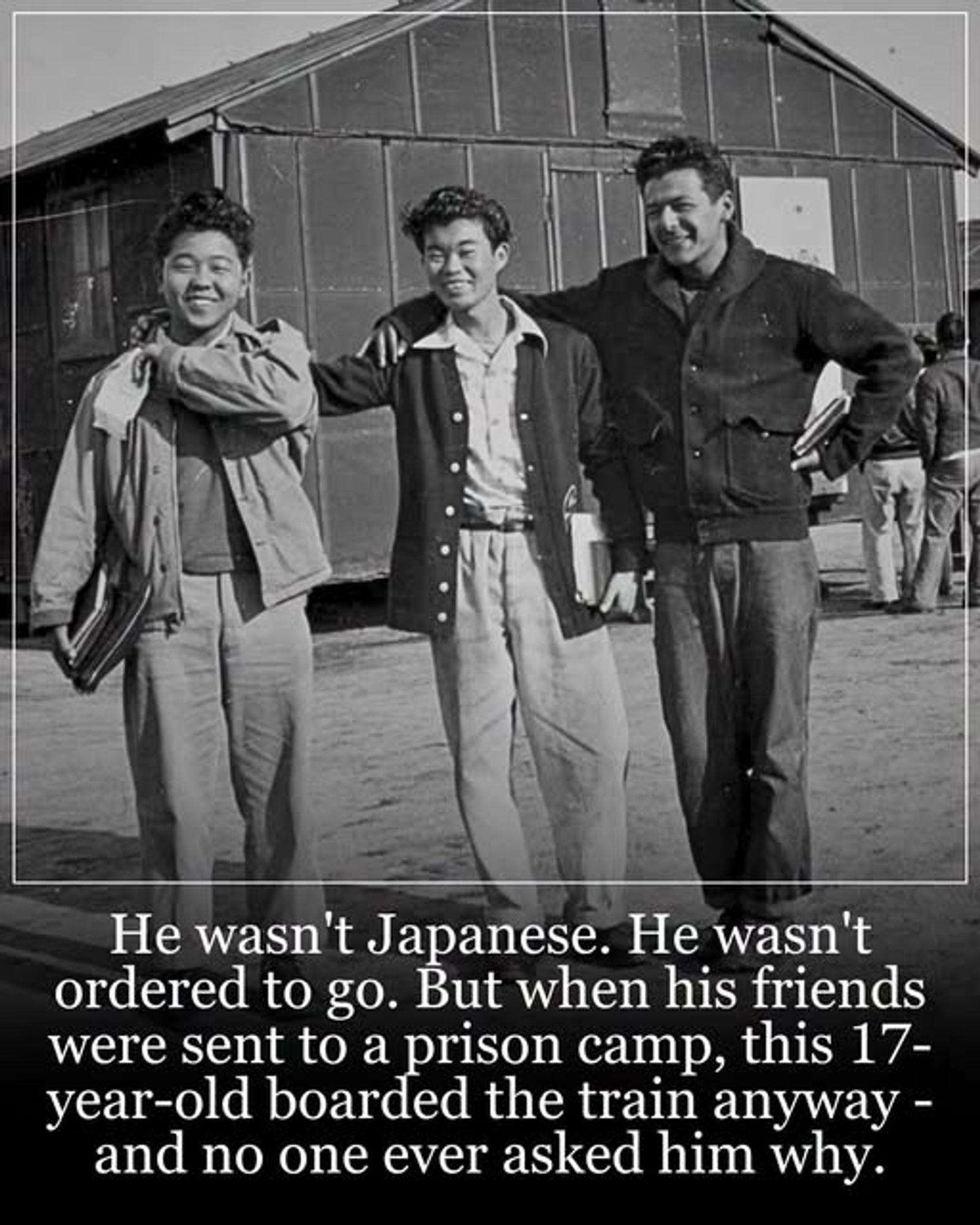
Life in Manzanar was starkly cruel. Barbed wire enclosed the camp, the barracks were cramped and austere, and the weight of imprisonment loomed heavy over the inhabitants. But Ralph didn’t allow himself to be just an observer; he became actively engaged in the community he had chosen to stand with. He attended classes, brightening the days of children who had lost their homes, and organized dances and social gatherings that helped lift the spirits of his fellow internees. In 1944, the resilience and trust that Ralph earned culminated in his election as class president of Manzanar High School, a powerful confirmation of his acceptance by a group that had every reason to be wary of outsiders.
As the war raged on, Ralph’s journey took yet another turn when he was drafted into the U.S. Army. Serving as a Staff Sergeant in the Pacific, he was part of the liberation of the Philippines, courageously stepping into a battle that represented a stark contrast to his earlier experience in Manzanar. For his bravery, he was awarded the Bronze Star — a testament to his fight against tyranny, not just abroad but also against the prejudice that had plagued his homeland.
When he finally returned home, Ralph did not turn his back on the fight for justice. He dedicated himself to education and activism, ensuring that the voices of those who had suffered injustices would not be forgotten. Ralph Lazo’s actions remind us all that true bravery often means standing up for what is right, even when it involves personal sacrifice. His story serves as a poignant reminder of the power of solidarity, love, and humanity in times of fear.