The soldier who lost his legs and found a new purpose
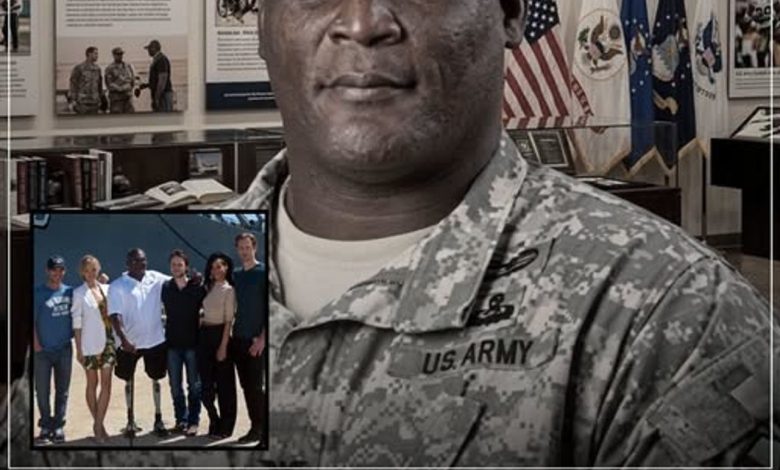
On a quiet night in Baghdad in May 2007, Colonel Gregory Gadson was riding back from a memorial service for two soldiers under his command when the road exploded beneath him. The blast tore through his vehicle, leaving him with devastating injuries: both legs ripped away above the knee and his right arm shattered. In the hours that followed, he was carried through emergency surgery after emergency surgery, fighting for his life long before he could begin to imagine any kind of future.
For Gadson, the shock was more than physical. After 25 years in the Army, including service in the Gulf War and deployments that carried him far from the life most people know, he had built an identity around duty, discipline, and leadership. One moment, that life was intact; the next, it seemed to belong to someone else entirely. The body that had carried him through years of service would never move the same way again, and the road ahead looked almost impossible to picture.
What defined him, though, was not the blast. It was the response. Gadson made a decision that would become central to his story: he would not allow the worst day of his life to become the only one that mattered. Slowly, painfully, he began the hard work of rebuilding. Month by month, move by move, he learned to walk again on state-of-the-art prosthetic legs, becoming one of the first wounded warriors to use next-generation prosthetic technology.
The process demanded a kind of endurance most people never have to test. It meant pushing through pain, frustration, and the grief that comes with losing the life you once knew. But Gadson kept going, not because the path was easy, but because surrender was never in his character. He had spent a career leading soldiers through difficulty, and now he was leading himself through one of the hardest battles of all.
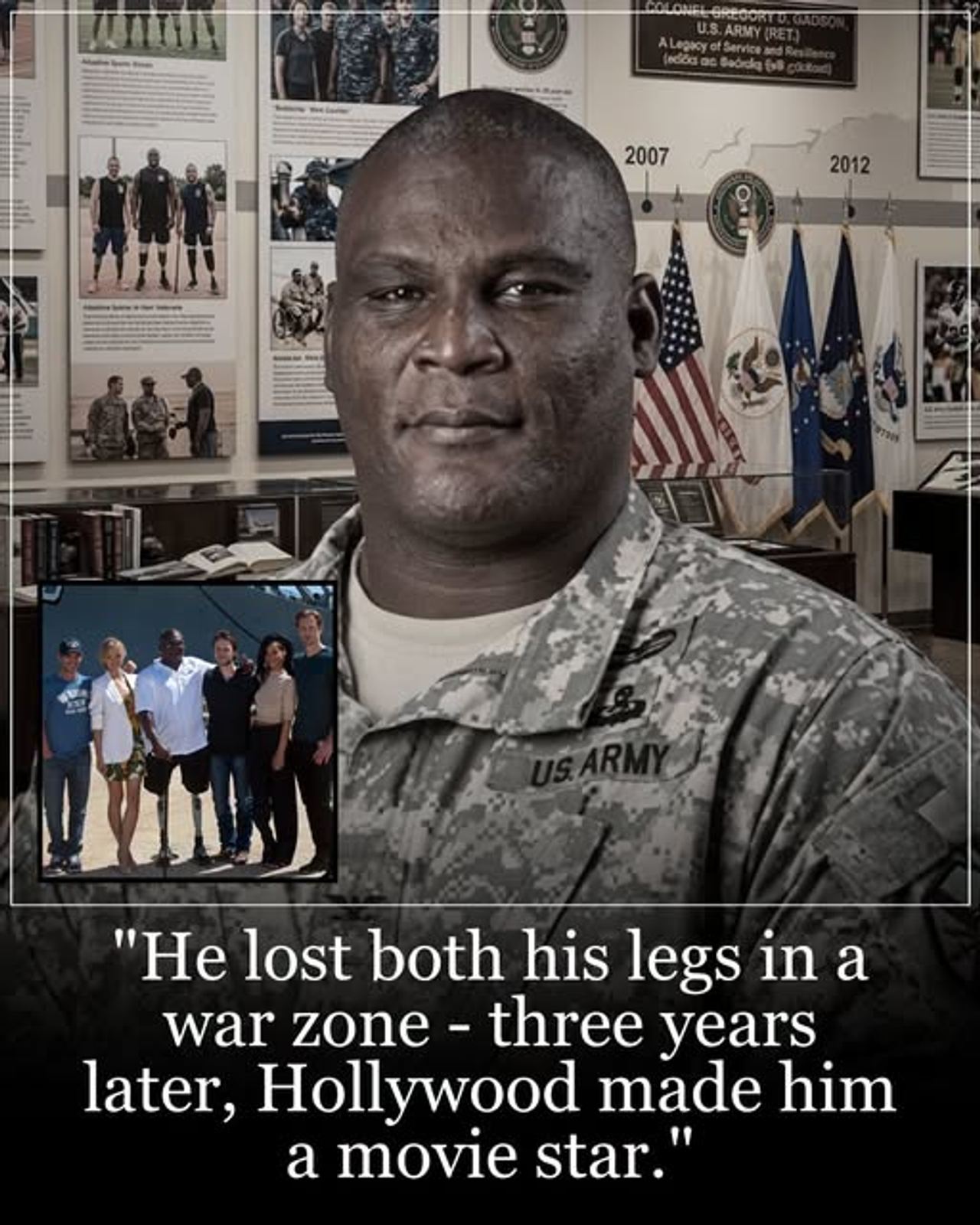
Then came a twist no one could have predicted. While preparing for the action movie Battleship, director Peter Berg wanted authenticity, not a polished imitation of military life. Instead of casting an able-bodied actor as a wounded veteran, he looked for someone who had lived it. When he met Gadson, he found more than realism. He found charisma, quiet strength, and a presence that could not be manufactured.
Berg offered him a role on the spot, even though Gadson had never acted before. He stepped onto a film set alongside major stars, carrying the pressure of a huge production and the expectations that come with it. Yet when the film reached audiences, his performance stood out as one of its most powerful and believable elements. He was not pretending to be a wounded soldier. He was simply being himself.
And he kept building from there. Gadson became a mentor to athletes, a voice for wounded veterans, and an advocate for adaptive sports programs that help other injured service members rebuild their lives. His story is not only about survival, but about reinvention — about finding purpose after catastrophe and offering that hard-won hope to others. In a life marked by loss, he has shown that strength can take many forms, and that the most enduring victories are often the ones built quietly, one step at a time.