The mother who forced America to look at Emmett Till
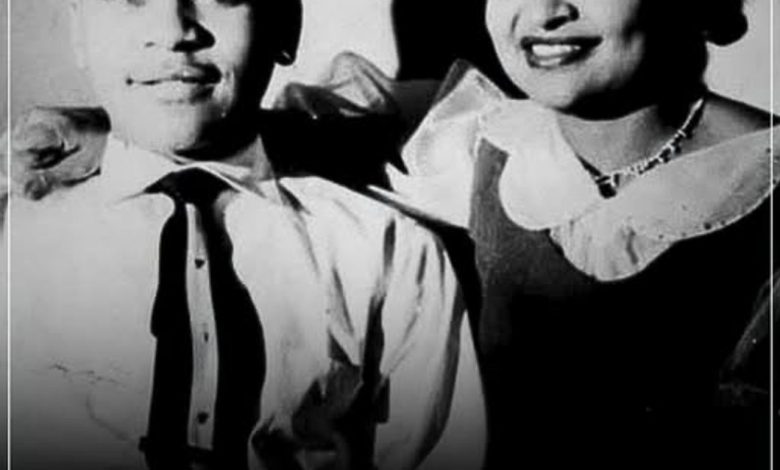
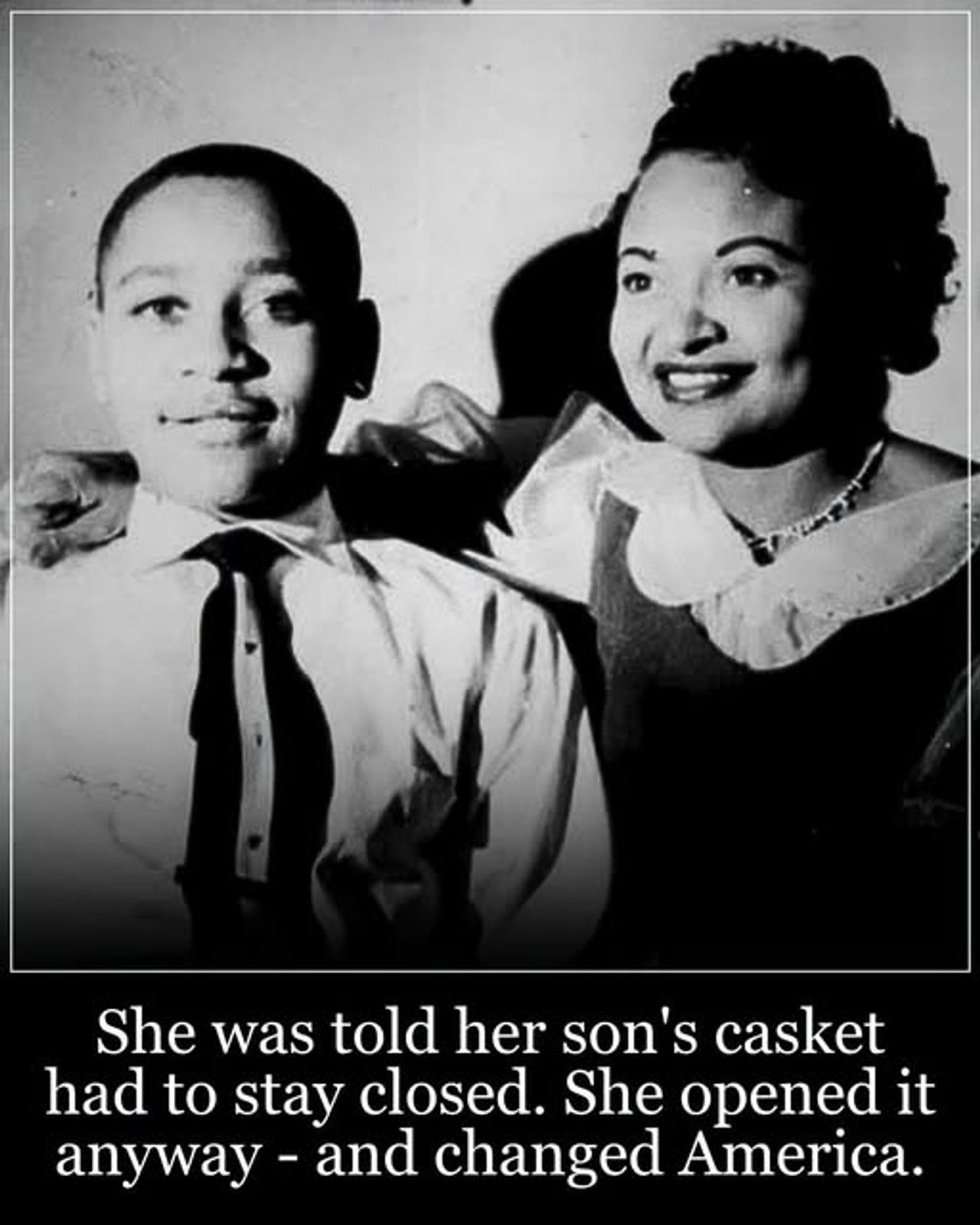
Mamie Carthan was born in 1921 in Webb, Mississippi, into the hard reality of the segregated South. Before she was old enough to understand the world around her, her family joined the Great Migration and left for the Chicago area, searching for a life beyond Jim Crow violence. There, Mamie grew into a young woman known for her intelligence and discipline, graduating at the top of her class and building a future with determination.
On July 25, 1941, she gave birth to a son and named him Emmett Louis Till. To the people who loved him, he was “Bobo,” a boy full of spark and mischief, funny and eager, the kind of child whose presence seemed to brighten a room. In the summer of 1955, when Emmett was 14, he asked to visit relatives in Mississippi. Mamie hesitated, because she understood that the South he was entering was not the Chicago he knew. Before he left, she sat him down and told him to keep his head down, watch how he spoke to white people, and be careful. He promised he would.
On August 28, 1955, in Money, Mississippi, Emmett was accused of whistling at a white woman in a grocery store. That night, two men dragged him from his great-uncle’s home at gunpoint. Three days later, his body was pulled from the Tallahatchie River. He had been beaten so badly that his own great-uncle could barely identify him. The only thing that made him recognizable was a ring on his finger, one that had belonged to his father.
Mississippi authorities wanted him buried quickly and quietly, before the news could spread. But Mamie found out in time, and she refused to let her son disappear without the world knowing what had been done to him. She fought to have his body sent back to Chicago, spending nearly everything she had to bring him home. When the train arrived at Chicago’s Central Station, funeral home officials handed her paperwork and urged her to keep the casket sealed. It was too disturbing to open, they told her.
Mamie refused to sign. “Let the world see what I’ve seen,” she said. When the casket was opened, the sight would break any parent. Yet in that unbearable moment, she made another decision that would echo far beyond her own grief: she allowed a photographer to document her son’s body and gave permission for the image to be published nationally.
When Jet magazine printed the photograph on September 15, 1955, the response was overwhelming, so much so that the magazine had to print a second run, something it had never done before. In Chicago, mourners began arriving at Roberts Temple Church of God in Christ, and the story of Emmett Till spread with a force that could not be contained. In choosing to expose her pain, Mamie forced America to confront a cruelty many had looked away from, and her courage turned private sorrow into a lasting cry for justice.